A Treatise on Writing in the AI Age, Part 3
Let’s do a small experiment. Imagine two identical blog posts. They have the same ideas, structure, sentences. Everything is the same except example one has a small grey badge that says, “AI-assisted” and the other example doesn’t.
Which one do you read more generously? Which author do you assume worked harder? If you shared one with your team, which would it be?
If you hesitate, you understand why “it’s just a label” is a fiction. A label is never just a label when it arrives carrying a verdict.
What the badge actually says
In theory, an AI disclosure badge is neutral metadata, like a timestamp or a word count. But in practice as things stand in 2026, it reads as a confession. It says this writer took a shortcut. It says “be skeptical of this one.” It says the person behind these words is a little less of a writer than the ones without the badge, and depending on who’s reading, maybe a little less honest too.
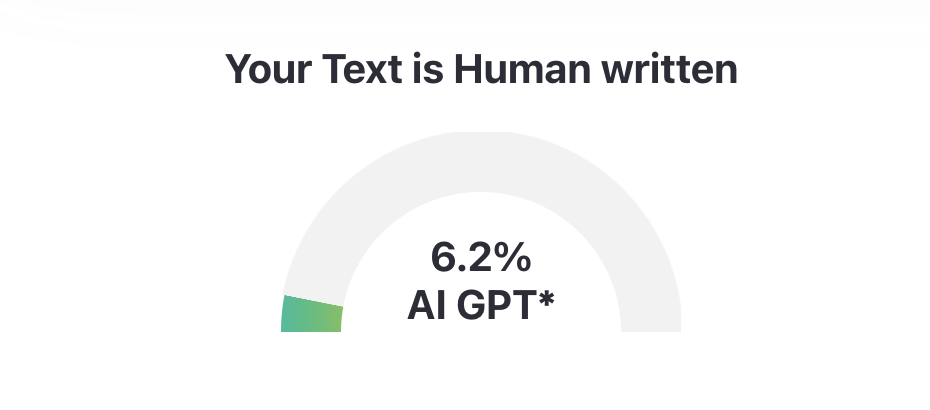
You don’t have to take my word for the verdict part, because sometimes the platform says it out loud. On Dev.to, the disclosure tag for AI-assisted articles is #ABotWroteThis. Assisted, not just generated. For reference, when I put my post into ZeroGPT, it’s identified as human-written except 6.2%.
Develop the ideas yourself, verify every claim, edit for hours, and if a model helped anywhere in your process, the prescribed label on your work reads a bot wrote this. That’s not metadata. That’s a verdict with a hashtag. And if you decline to apply it, the guidelines note that moderators can attach it to your post for you. The platform reserves the right to put words on your work that you believe are false.
That’s not what disclosure advocates intend. Intent doesn’t matter here. Stigma lives in reception, not intention, and right now the reception is unambiguous. Writers know it, which is why disclosure feels less like transparency and more like being asked to pin a note to your own work saying “discount this.”
So the mandate creates an impossible choice for exactly the writers doing things right. Disclose honestly and watch readers disengage before evaluating a single idea. Or stay silent and risk being flagged, accused, and moderated.
The one on my post spelled it out. Comply, or admins may lower your post’s score so fewer people see it, or unpublish it altogether. The badge suppresses your work socially. Refusing it suppresses your work algorithmically. There’s no door out of that room.
The careless never face this choice. They just don’t disclose. Stigma-backed mandates punish honesty and reward shamelessness. That’s not a side effect. That’s the predictable mechanics of the design.
The accusation engine
And the enforcement side is worse, because AI use isn’t visible. A moderator cannot see your process. They can’t see the weeks of thinking, the validated research, the edit passes. All they can inspect is the artifact, so enforcement inevitably becomes inference. Does this prose feel generated?
Think about what that selects for. Clean structure, polished transitions, consistent tone, error-free grammar. The signals moderators and detection tools treat as machine-like are the same signals writers spend years learning to produce. We’ve built a system where craft itself is evidence against you.
I felt this personally when my own post got flagged. But the people I worry about aren’t established writers with communities who’ll vouch for them. It’s the newer writers. The developer publishing their third post, still unsure they belong, told by a moderator that their work doesn’t look like their own. Some of them will add the badge to avoid trouble. Some will stop publishing. I’ve spent years telling those exact people to hit publish. This system tells them something different.
The best case for the other side
Now the part where I argue against myself, because this series doesn’t deserve to survive if it can’t.
The strongest argument for disclosure isn’t about quality. It’s about trust. Readers form relationships with writers. When you read someone’s personal essay about burnout, part of what moves you is the belief that a human lived it and a human shaped it. If you later learned a machine wrote it, you’d feel betrayed, and that feeling would be legitimate. Deception through implied authorship is real, and “caveat lector” is a cold answer to it.
I think that argument is right. I want to be honest about that.
Where it goes wrong is the leap from “deception is bad” to “tool disclosure prevents it.” The betrayal in that scenario isn’t the tool. It’s the false implicit claim. A writer who presents machine-generated experiences as lived ones is lying about something specific, the same way a writer who fabricates a story by hand is lying. We already have a name for that, and it isn’t “AI use.” Meanwhile the writer who used AI to sharpen an essay about their own real burnout hasn’t deceived anyone about anything a reader actually cares about.
The mandate can’t tell those two writers apart. The badge marks both, deters the honest one, and does nothing to the liar, who was already comfortable lying.
The truth is, trust between writers and readers is worth protecting. That’s exactly why we can’t outsource it to a checkbox that measures the wrong thing.
What stigma costs us
Here’s what keeps me up about this. AI, used well, can make writing better. It can push you to consider the counterargument you were avoiding. It can surface the source you’d never have found. It can free the hours you were spending on mechanical polish and give them back to thinking. Used badly, it produces exactly the formulaic sludge everyone fears. The difference is entirely in the writer.
Stigma erases that difference. It teaches a generation of writers that the tool is shameful rather than teaching them what shameful use of the tool looks like. We’re not developing judgment. We’re developing secrecy.
And while all this energy pours into marking who touched which tool, the problems that actually betray readers go unpoliced. That’s the next essay. Because the most damning thing about the stigma machine isn’t what it does. It’s what it lets platforms avoid doing.